A meditation on the quiet art of doing nothing beautifully.
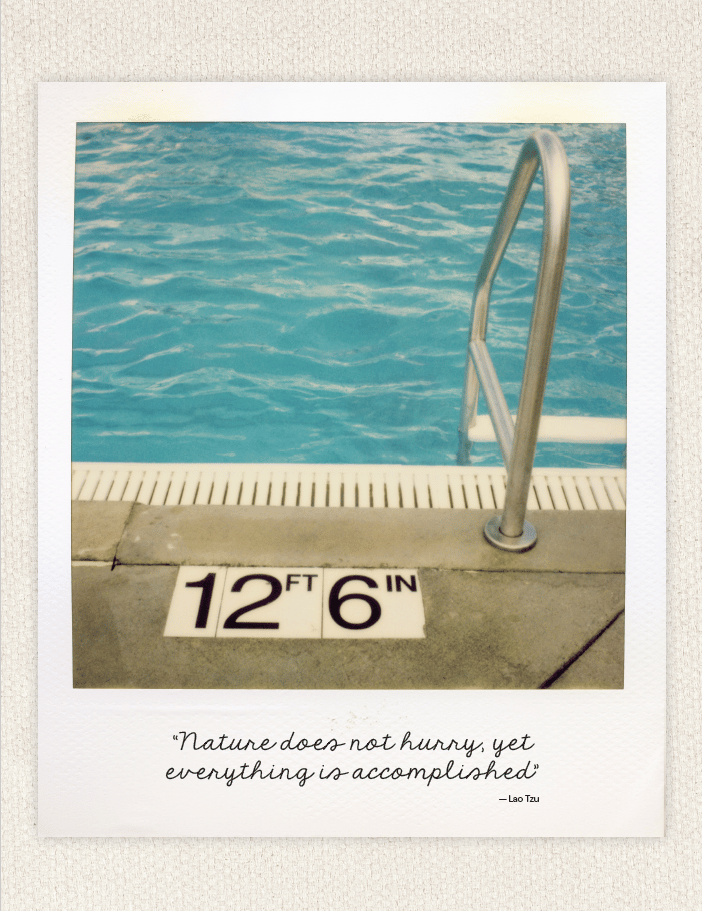
Discover how to recalibrate your tempo through intentional rituals and unhurried days.
There is a point in each year when the calendar loosens its grip. School lets out. Evenings stretch and the light lingers longer. Summer doesn’t arrive all at once. It settles in gradually, bringing with it the possibility of a slower pace.
At first, that slowness feels seasonal. Heat can stop us in our tracks, forced pause. But long days resist stoppage. Then, it becomes clear that summer offers more than a change in temperature or schedule, introducing a way of moving through life shaped by details rather than urgency.
Morning rituals are the first to shift. Coffee moves outside. A yoga mat on the back deck. Shoes stay by the door. The day begins without the immediate pull of screens. Birds announce themselves. These moments don’t ask to be optimized, only to be noticed.
Writer Annie Dillard once said, (and I love this quote) “How we spend our days is, of course, how we spend our lives.” Small, ordinary choices made daily shape the larger arc of a life, and it seems like we get more of those choices in summer.
Pools can become places of lingering rather than laps. Books are reread. Conversations unfold without an endpoint. Heat enforces restraint. In these hours, doing nothing becomes an active choice that requires resisting distraction and allowing time to pass without interference (a cocktail sometimes helps). The lesson extends beyond the season. The pace we choose in summer often reveals habits we carry throughout the year. How quickly we move through conversations or hurry past moments that deserve more care. Slowing down with children changes the game entirely. When time is not managed, curiosity surfaces, questions linger, attention deepens. Even at work, deliberate pacing can sharpen judgment, improve focus, and reduce the sense of reaction.
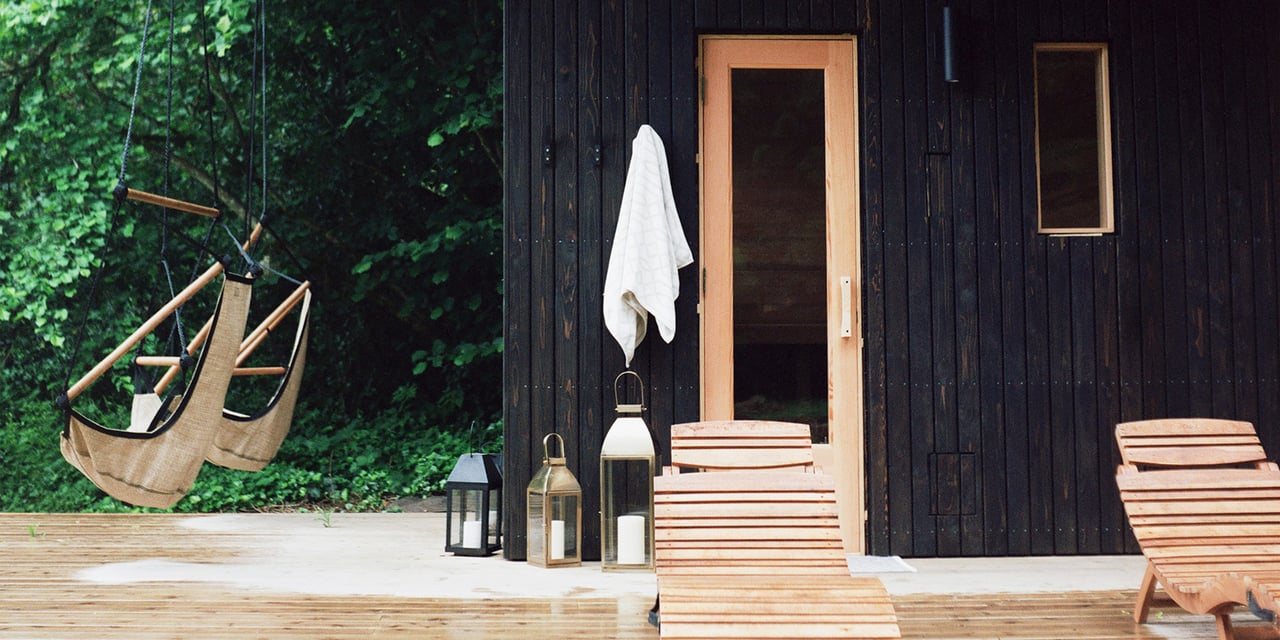
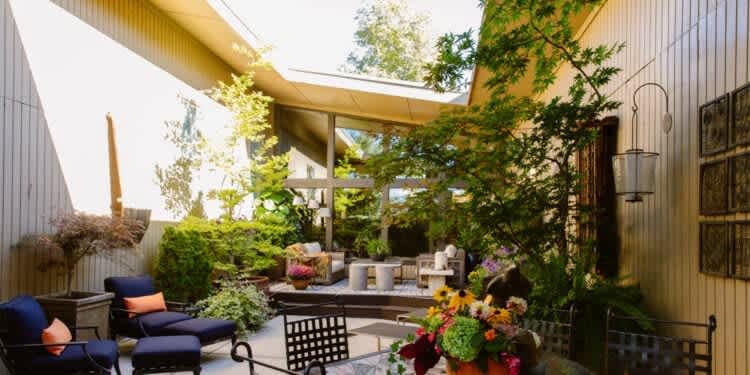
Design can support a slower tempo. Outdoor spaces arranged for comfort rather than performance. Furniture that invites rest instead of posture. Shade that moves naturally throughout the day. Materials that weather and soften over time. When environments are designed to be lived in rather than managed, slowing down feels less like a decision and more like a natural response.
Easing off the accelerator, scenery returns into view, and the journey takes its rightful place. Nature reinforces these lessons. Cicadas mark time. Light shifts incrementally, indifferent to our attempts to rush it or block it. These patterns offer a reminder that processes unfold on their own. Evenings extend the invitation. Dinner drifts later. Fireflies appear. Music plays quietly, or not at all. There is no urgency to retreat indoors and the day resolves without insistence.
Slow season is not about escape or retreat, but recalibration: recognizing that speed left unchecked narrows our experience. Choosing a slower tempo, even briefly, expands time, allows us to notice patterns, strengthen relationships, and reconnect with environments that support us. As summer unfolds, the opportunity is not to do more, but to do less with intention. And remember that how we spend our days is not incidental, as over time our patterns come to shape our lives.