America’s Most Design-Forward Retreats
You don’t have to drop four figures on airfare traveling the world to find inspiration for your own home. From breathtaking mountain lodges to desert oases, these six American properties showcase exceptional design, world-class art collections, and innovative cuisine rooted in their local environments—all while offering five-star experiences in some of the country’s most spectacular locations. If an overnight stay is out of budget, many of these properties conduct tours and have day-use amenities like restaurants and spas as well.
Brush Creek Ranch, Saratoga, Wyoming
brushcreekranch.com | @brushcreekranch
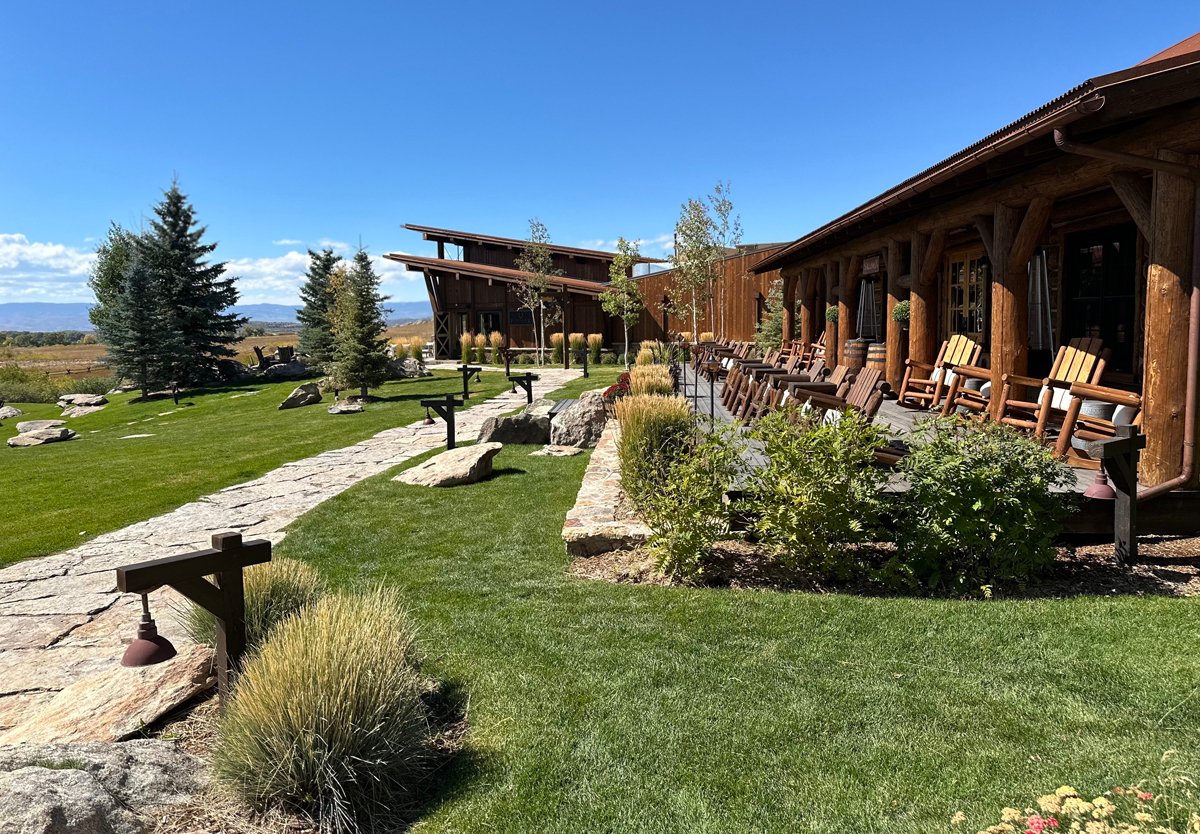
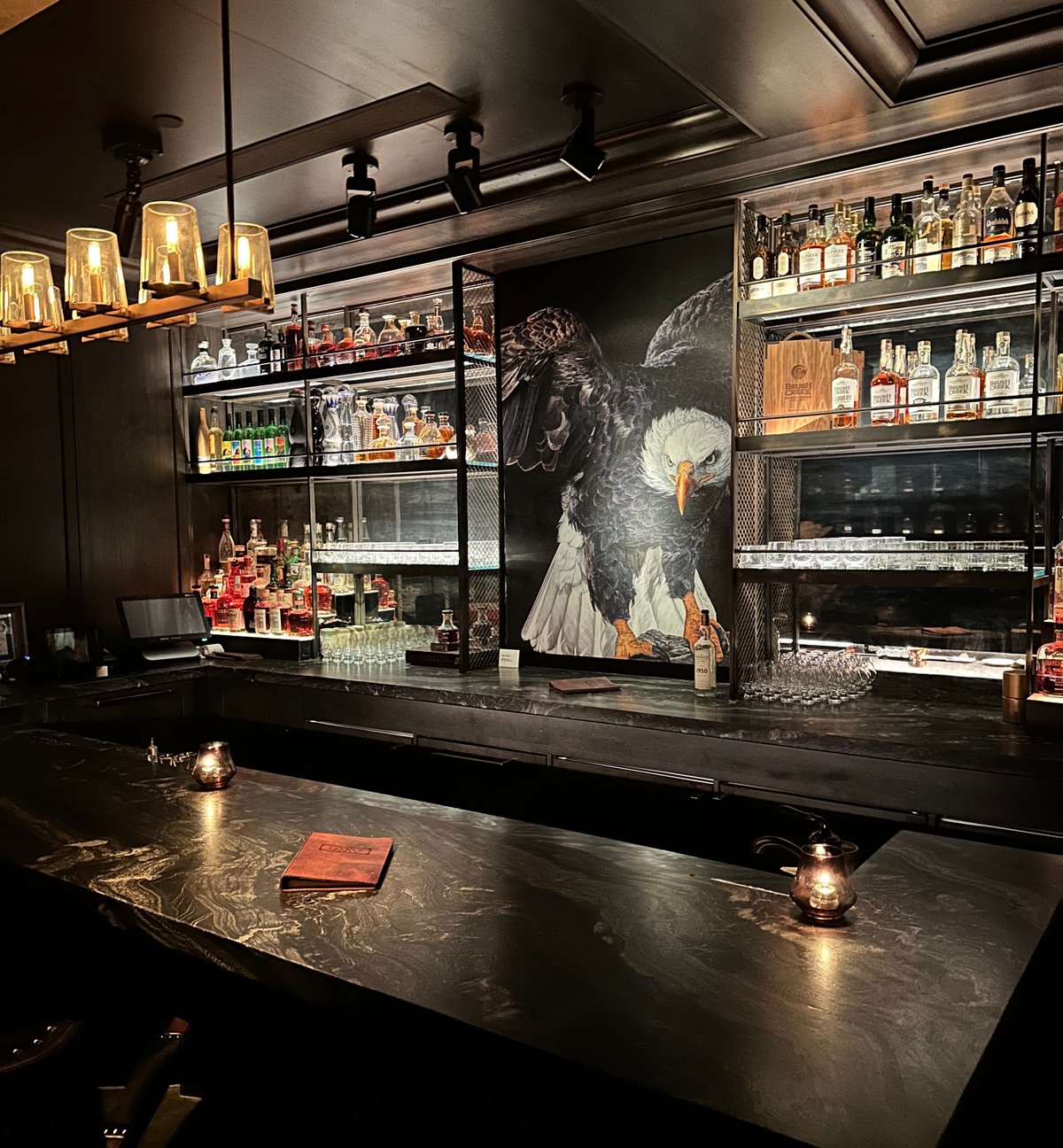
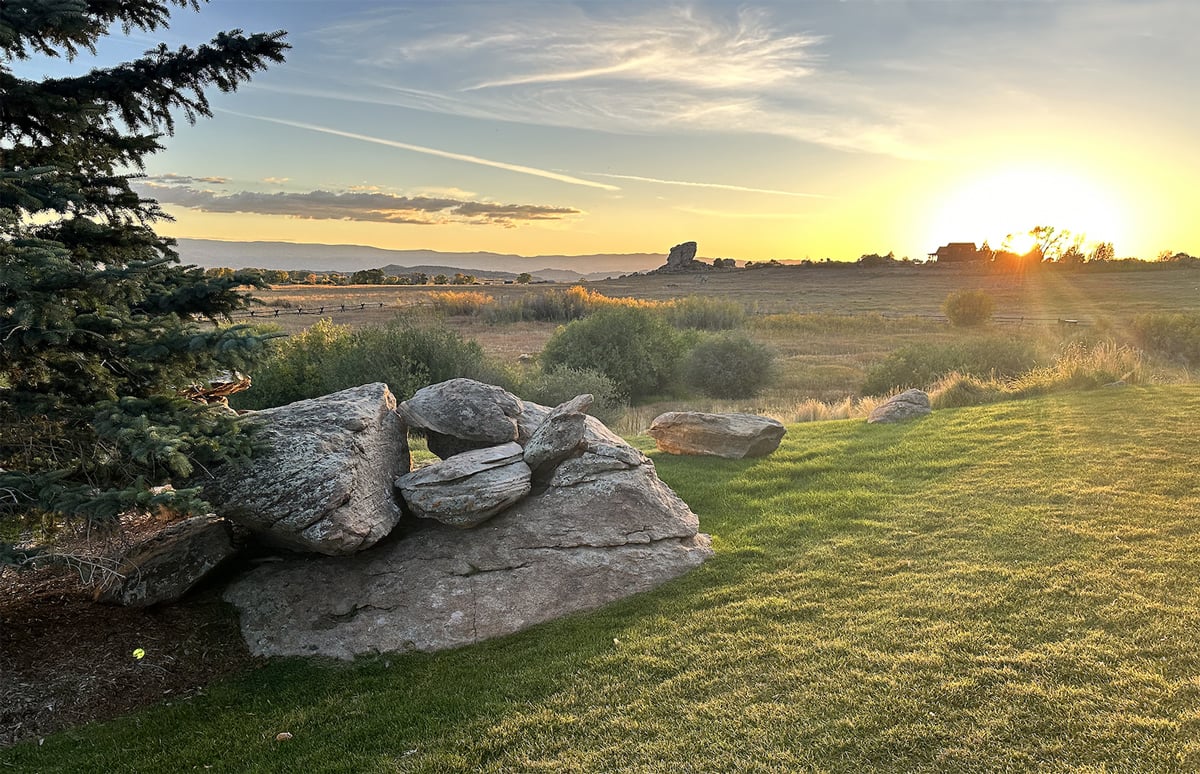
Set on 30,000 acres between the Sierra Madre Mountains and Medicine Bow National Forest, Brush Creek Ranch blends Western heritage with refined luxury. Founded in 1884 and still a working cattle ranch, it offers guests a rare chance to experience ranch life paired with five-star amenities. After its 2008 purchase by White Lodging Group, the ranch was reimagined by Simeone Deary Design Group and RMT Architects, who transformed weathered barns into soul-filled accommodations. The architecture honors the original homestead with 19 lodge rooms and 26 private log cabins, outfitted with Egyptian linens, western artwork, and modern comforts. Trailhead Lodge features soaring ceilings, stone hearths, and rustically elegant décor. They’ve also established The Farm at Brush Creek, a seed-to-table culinary campus with a distillery, greenhouse, creamery, and the acclaimed Cheyenne Club. Famed Pastry Chef Keisha Sanderson and team elevate mountain comfort food in a jaw dropping dining space. The 20,000-square-foot greenhouse yields produce for the whole farm, and the creamery crafts artisanal cheeses from the ranch’s Alpine goat herd.
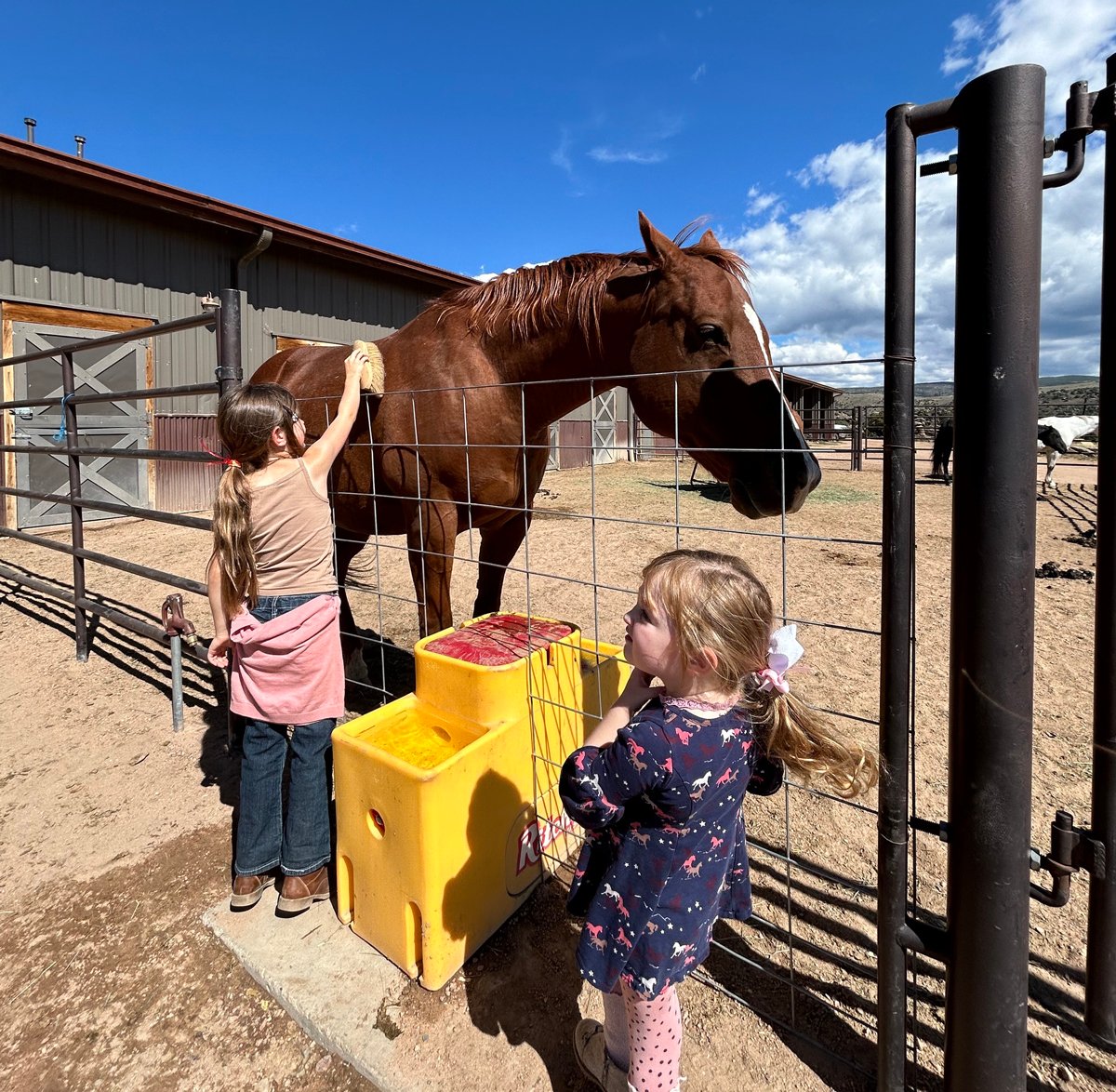
The all-inclusive resort hosts up to 155 guests and offers access to a 94-yard underground wine cellar with over 30,000 bottles— one of the world’s largest private collections. Outdoor activities include fly fishing, horseback riding, llama treks, and a stellar kids’ program. At Brush Creek Ranch, on any given day you might start the day on horseback, unwind with yoga or a massage, and end it with a wine-paired meal under the Wyoming sky.
Biltmore, Asheville, North Carolina
biltmore.com | @biltmoreestate
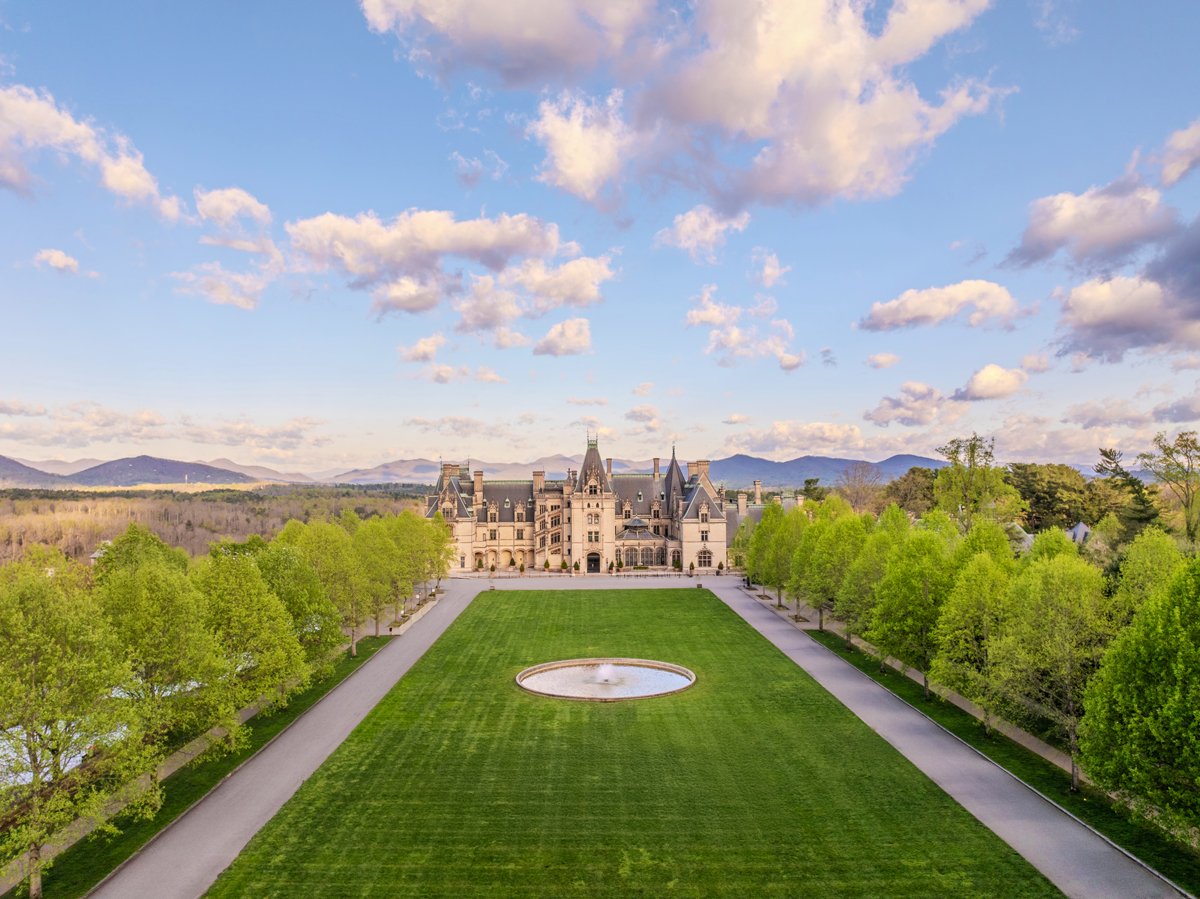
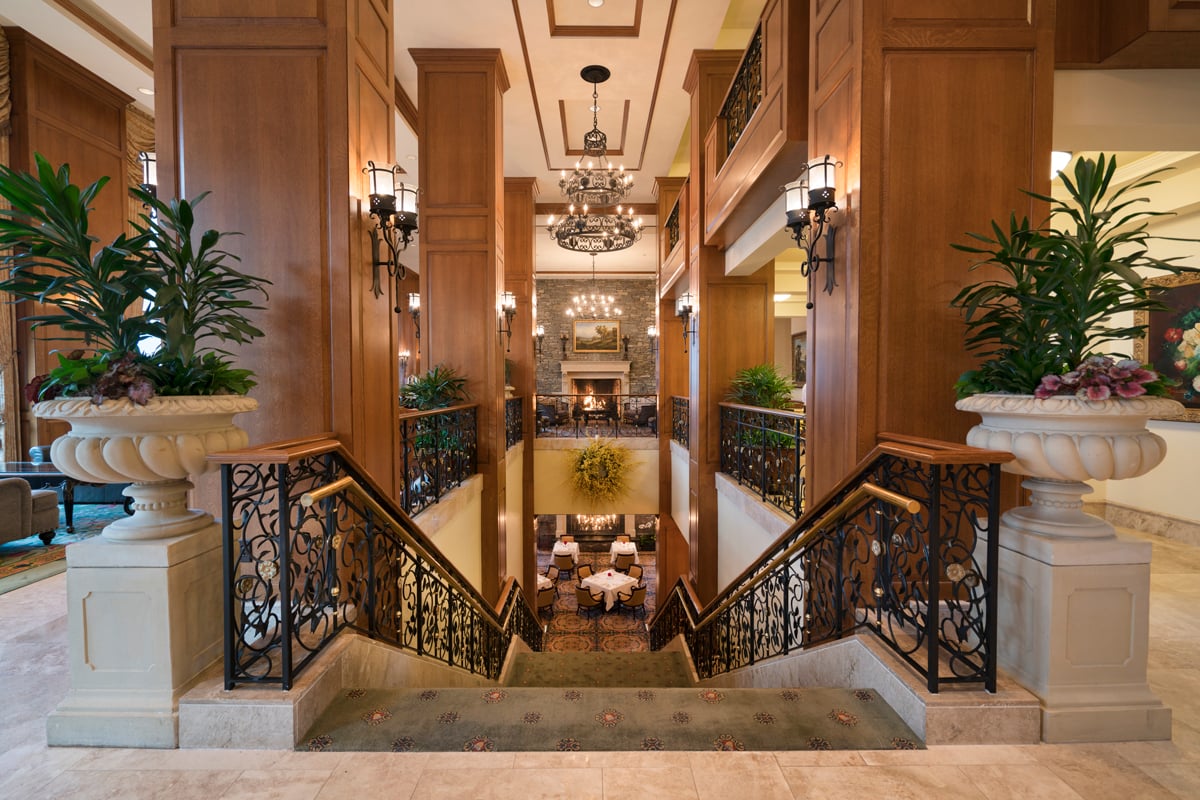
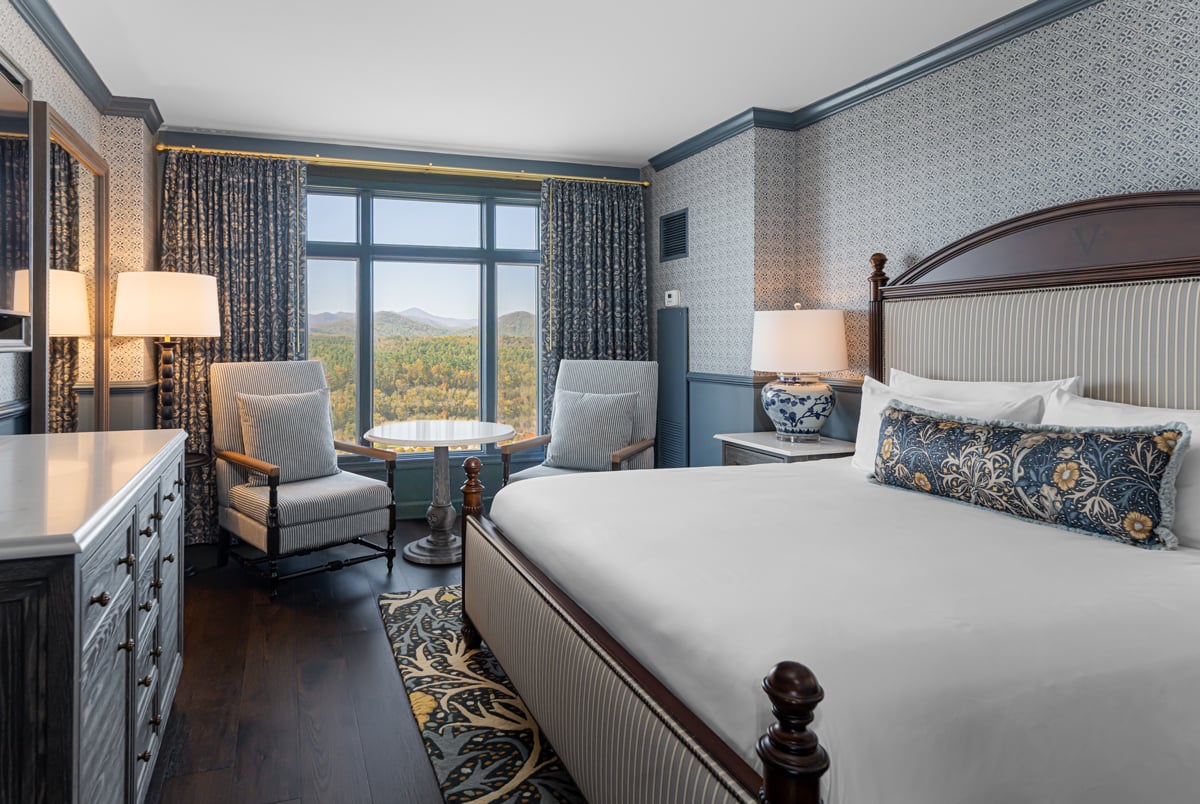
America’s largest privately owned home, Biltmore is a crown jewel of Gilded Age architecture and the lasting expression of George Washington Vanderbilt II’s vision. Built between 1889 and 1895, the 250-room mansion spans nearly 179,000 square feet on an 8,000-acre estate in Asheville’s Blue Ridge Mountains—audacious in scale, yet intimate in detail.
Vanderbilt enlisted architect Richard Morris Hunt, who modeled the limestone château after French Renaissance estates like Château de Blois and Chambord, with steep roofs, sculpted ornamentation, and turrets rising organically from the landscape. Inside, the estate holds more than 92,000 items collected during Vanderbilt’s travels and by his descendants. The second-floor Living Hall features a portrait gallery, including two John Singer Sargent works commissioned for the home. Highlights include the Tyrolean Chimney Room with its Kachelofen tile oven and the Louis XV Room, a nod to 19th-century French style.
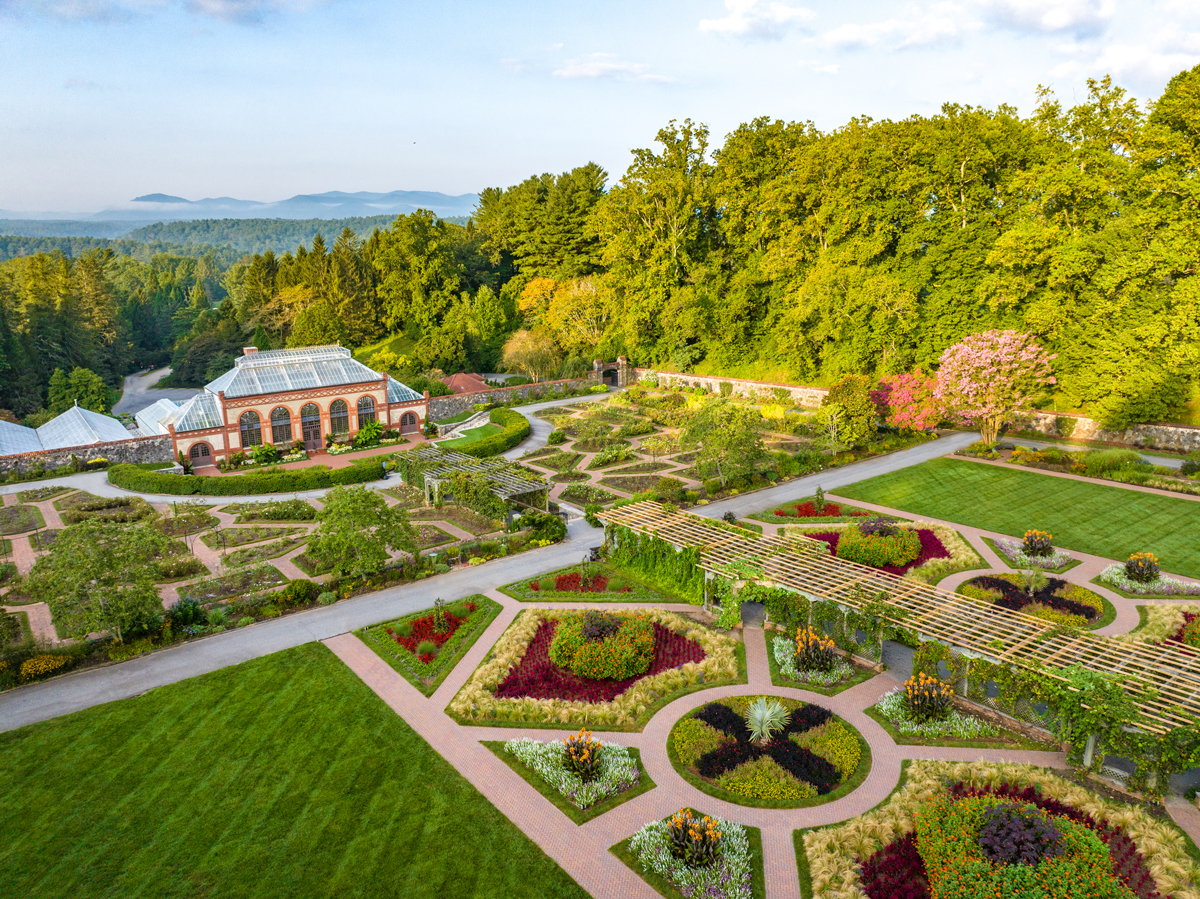
The grounds, designed by Frederick Law Olmsted (renowned for creating Central Park) offer sweeping views and pioneering conservation. His three-mile approach lane winds past bamboo groves meant to make guests feel “closer to the sun.” He also created the nation’s first managed forest. Today’s Biltmore blends historic charm with modern hospitality, offering three overnight properties, fine dining, and the nation’s most-visited winery. Designated a National Historic Landmark in 1963, Biltmore draws more than a million visitors a year and has served as the backdrop for films like Last of the Mohicans and Forrest Gump. More than a mansion, it remains a living symbol of legacy, preservation, and innovation.
The Broadmoor, Colorado Springs, Colorado
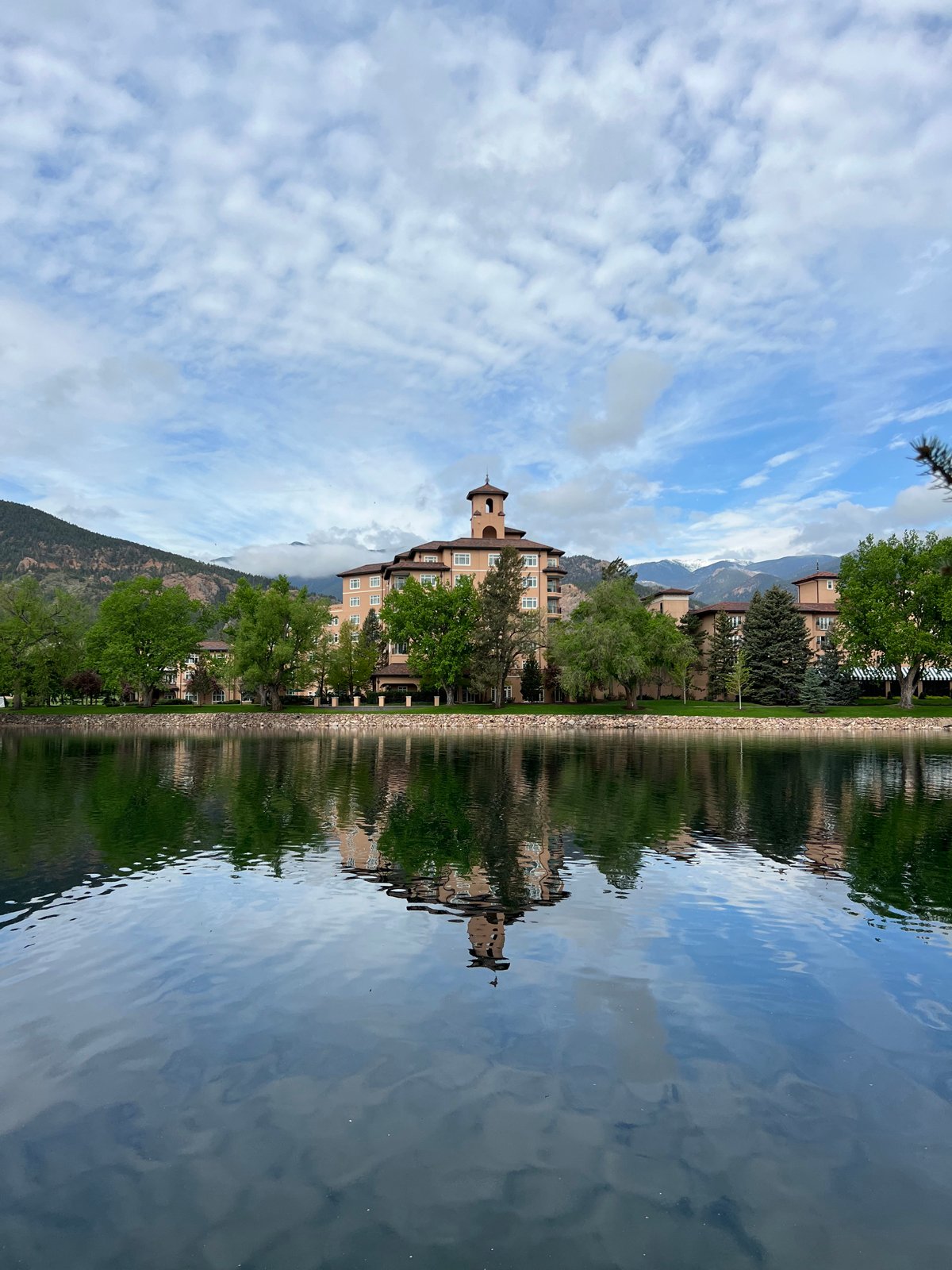
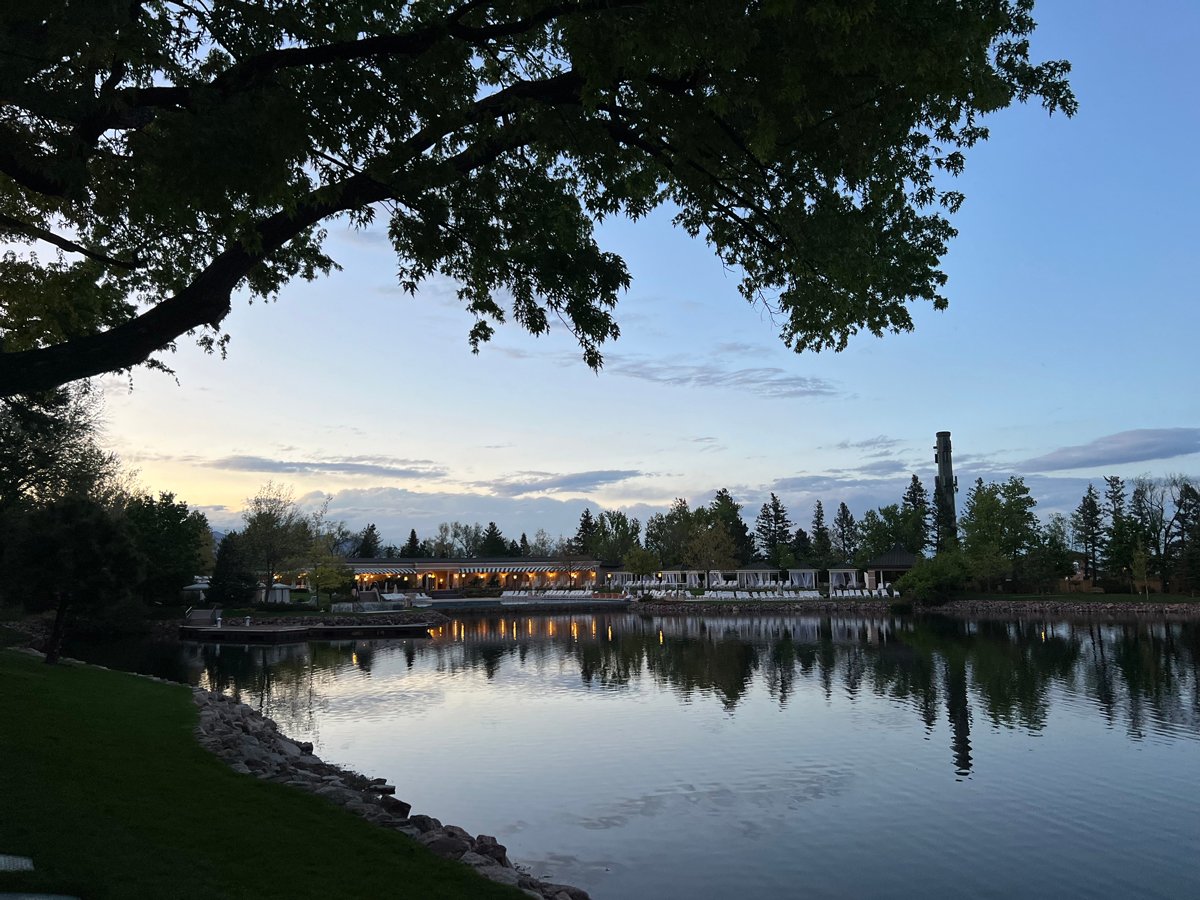

The Broadmoor’s story begins in the 1880s, when Count James Pourtales developed the property as an upscale casino resort. After the venture failed and the casino burned down, the land passed to mining magnate Spencer Penrose, who purchased it in 1916 along with 450 adjacent acres for $90,000. Penrose dreamed of building “the finest hotel in the United States,” and he soon delivered. Opened in 1918, The Broadmoor has become the world’s longest-running Forbes Five-Star, AAA Five-Diamond resort, a distinction no other American hotel holds.
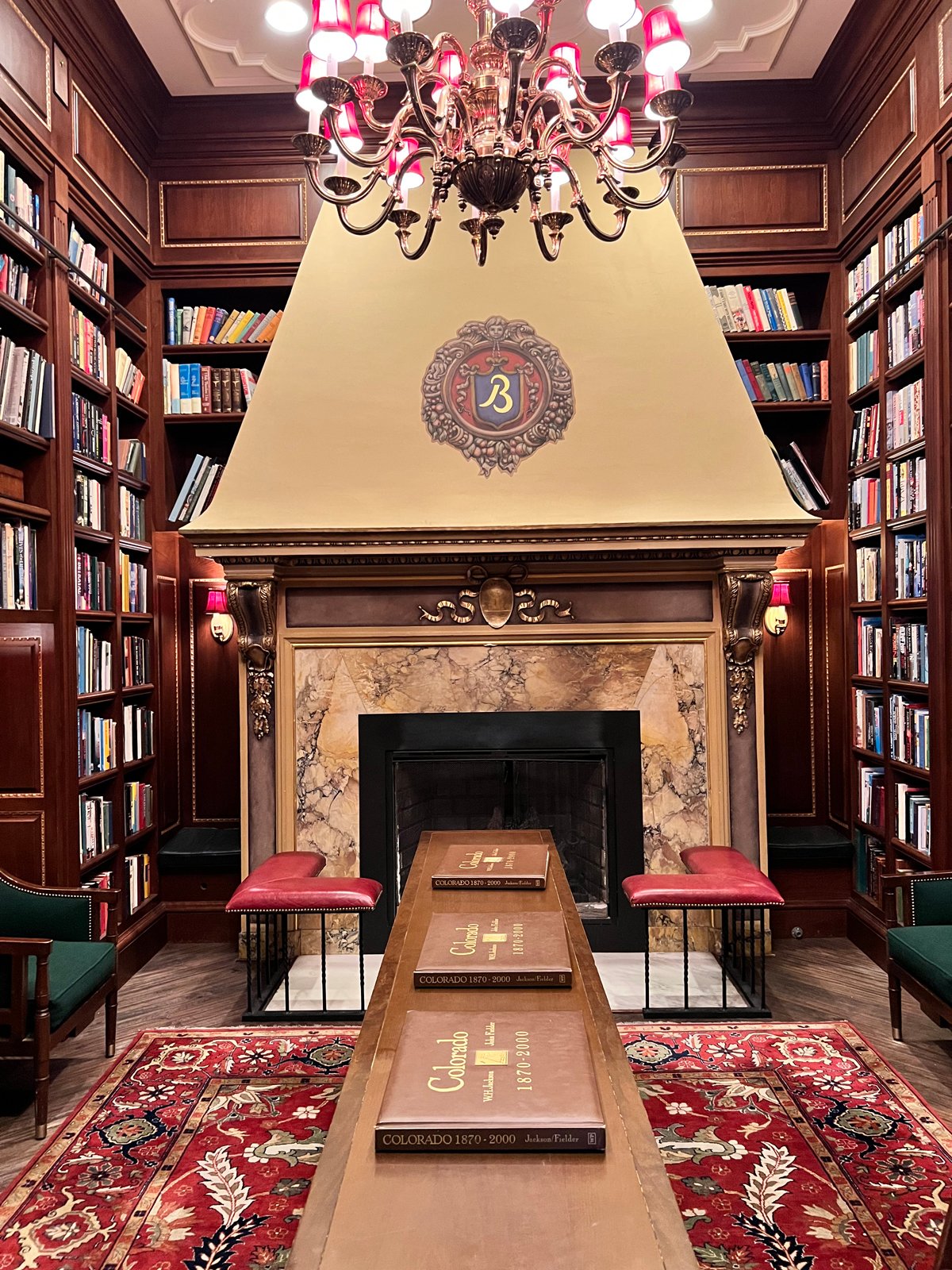
Situated 6,230 feet above sea level at the base of Cheyenne Mountain, the resort was designed by New York architects Warren and Wetmore in the Mediterranean Revival style, with pink stucco façades inspired by European alpine hotels. Penrose brought in European artisans to create ornate moldings, Della Robbia-style tiles, hand-painted beams, and a dramatic curved marble staircase lit by sparkling crystal chandeliers. Interiors were overseen by his wife Julie, who infused rooms with Renaissance textiles, historic artworks, and timeless detail.
Colorful and eccentric, Penrose was a Harvard graduate, a Prohibition opponent, and an animal enthusiast who once kept bears, monkeys, and flamingos on the property. Guest complaints eventually led to the founding of the Cheyenne Mountain Zoo in 1926, now the highest zoo in the country. The resort’s art collection includes pieces acquired and commissioned by the Penroses, including a large-scale Maxfield Parrish painting that rearranges geography for aesthetic harmony.
Today the Broadmoor spans 5,000 acres with 20 restaurants and lounges, two golf courses, a spa, and boutique shops. Under current owner Philip Anschutz, over $130 million has been invested in expanding the experience—adding Cloud Camp, Fly Fishing Camp, and the Ranch at Emerald Valley, all offering high-altitude luxury and adventure.
Blackberry Farm, Walland, Tennessee
blackberryfarm.com | @blackberryfarm
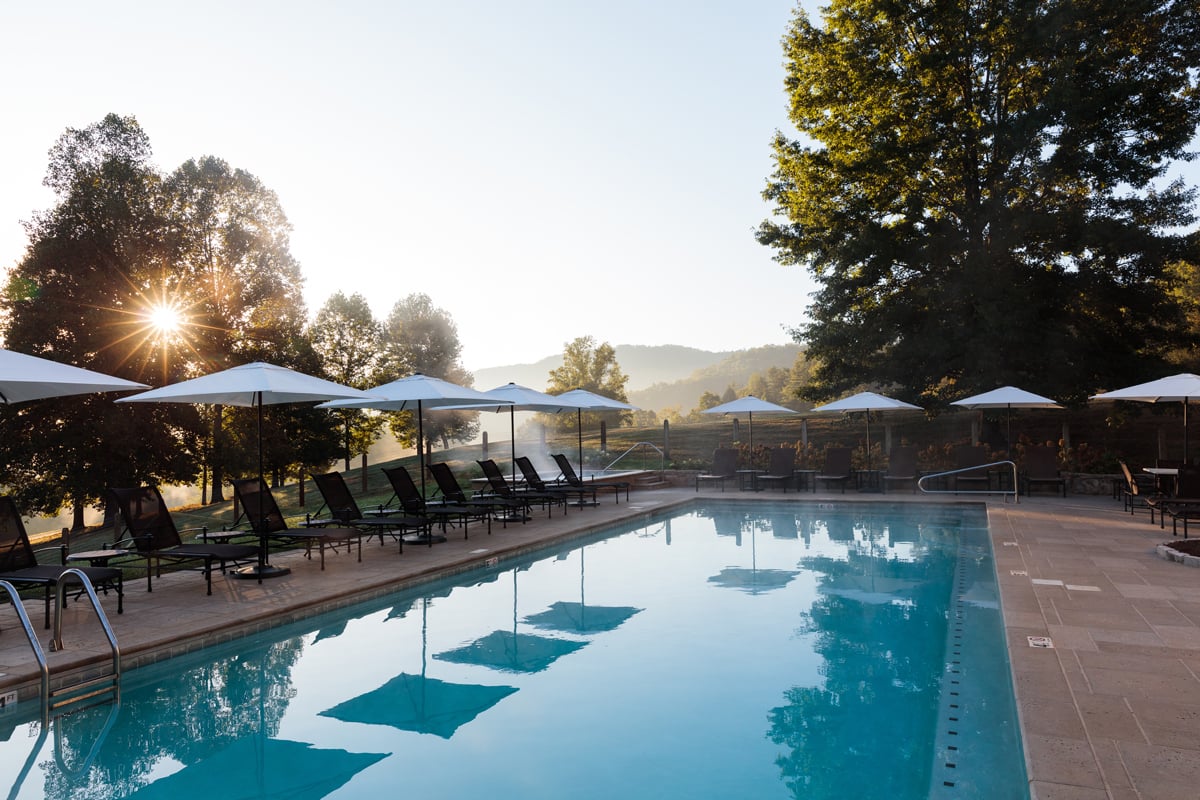
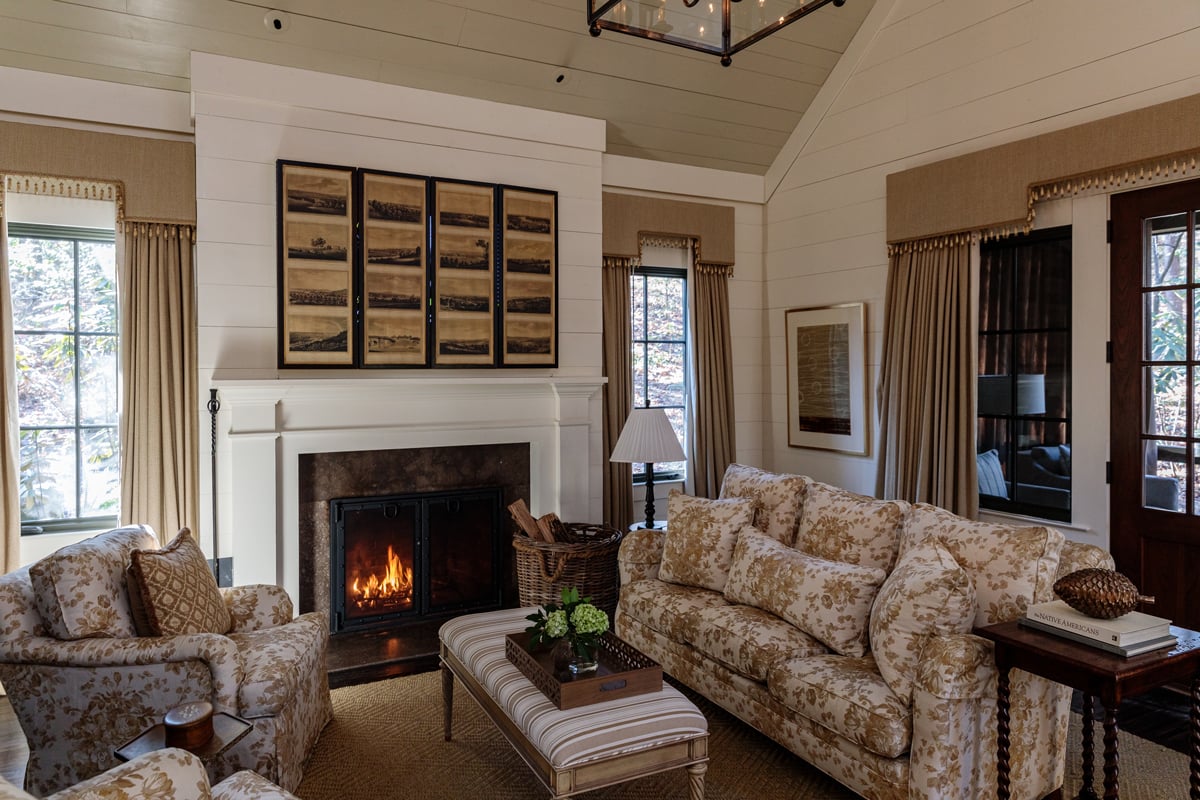
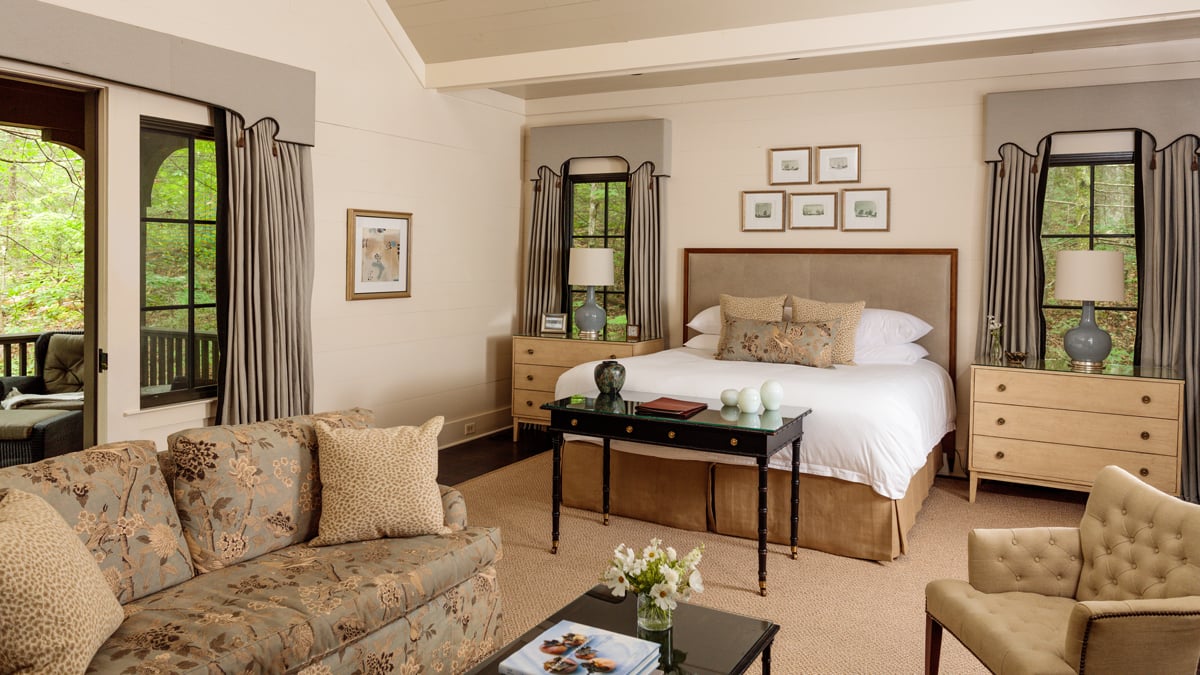
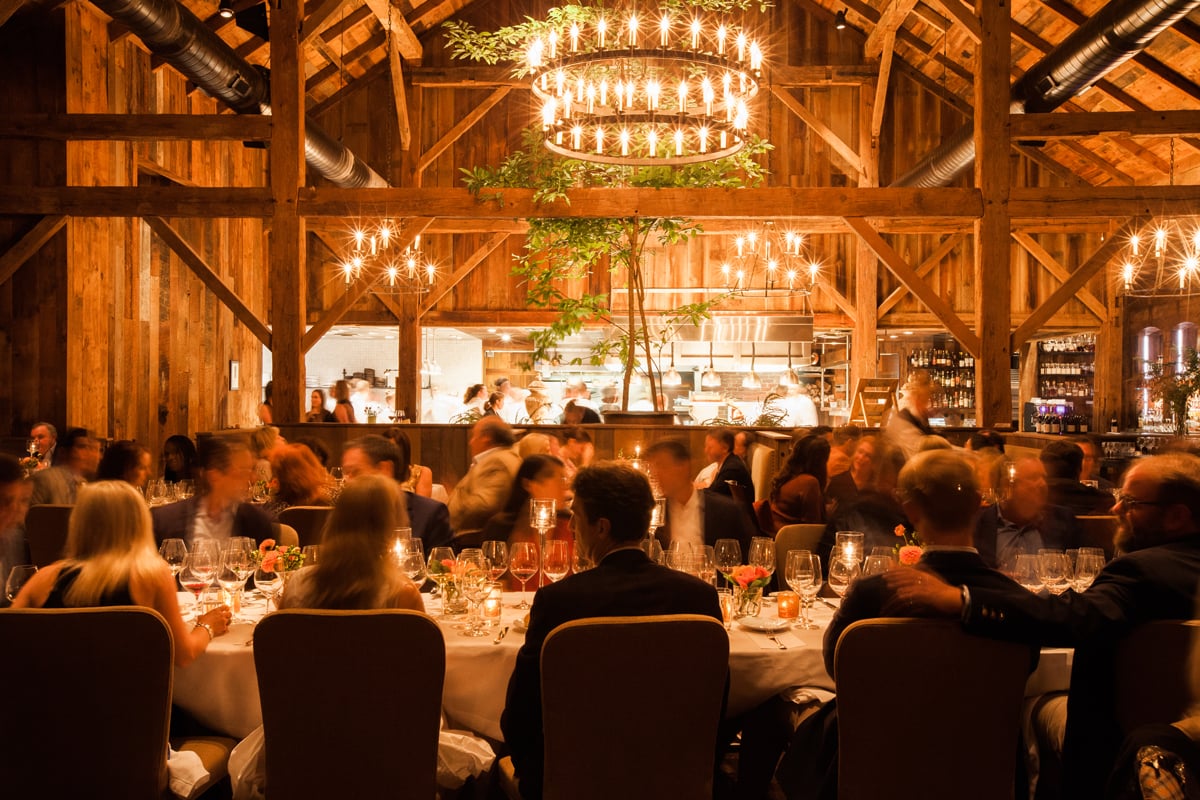
Before farm-to-table was a buzzword, Blackberry Farm was quietly perfecting sophisticated rural hospitality. Set on a 4,200-acre estate in the Great Smoky Mountains, this Relais & Châteaux property has evolved over 80 years from a family retreat into one of America’s most iconic luxury resorts, launching a movement of luxe-agrarian imitators.
Following the sudden passing of her husband Sam Beall, Mary Celeste Beall now leads the company, along with its in-house design firm originally founded by her mother-in-law, Kreis Beall. Design director Christine Carney carries the Blackberry aesthetic beyond the property, offering sought-after interior design services for clients who want to bring home that signature “Blackberry magic.”
The working farm features timber barns, dining venues, a spa, guest cottages, gardens, and pastures where sheep graze just steps from walking trails. Every space is designed to feel luxurious yet grounded in place. Business decisions follow instinct and passion over profit, reflected in touches like an original Ida Kohlmeyer painting in the dining room.
Beloved by high-profile guests, Blackberry Farm’s culinary program is helmed by Executive Chef Josh Feathers, an East Tennessee native with international training. Feathers has helped shape the resort’s acclaimed cuisine since 2007 and was instrumental in launching the culinary program at sister property Blackberry Mountain, which opened in 2018.
In 2021, the Bealls expanded their vision further with the revitalization of High Hampton Resort in North Carolina, further proving Blackberry’s unique blend of authenticity, artistry, and hospitality.
La Quinta Resort & Club, La Quinta, California
laquintaresort.com | @laquintaresort
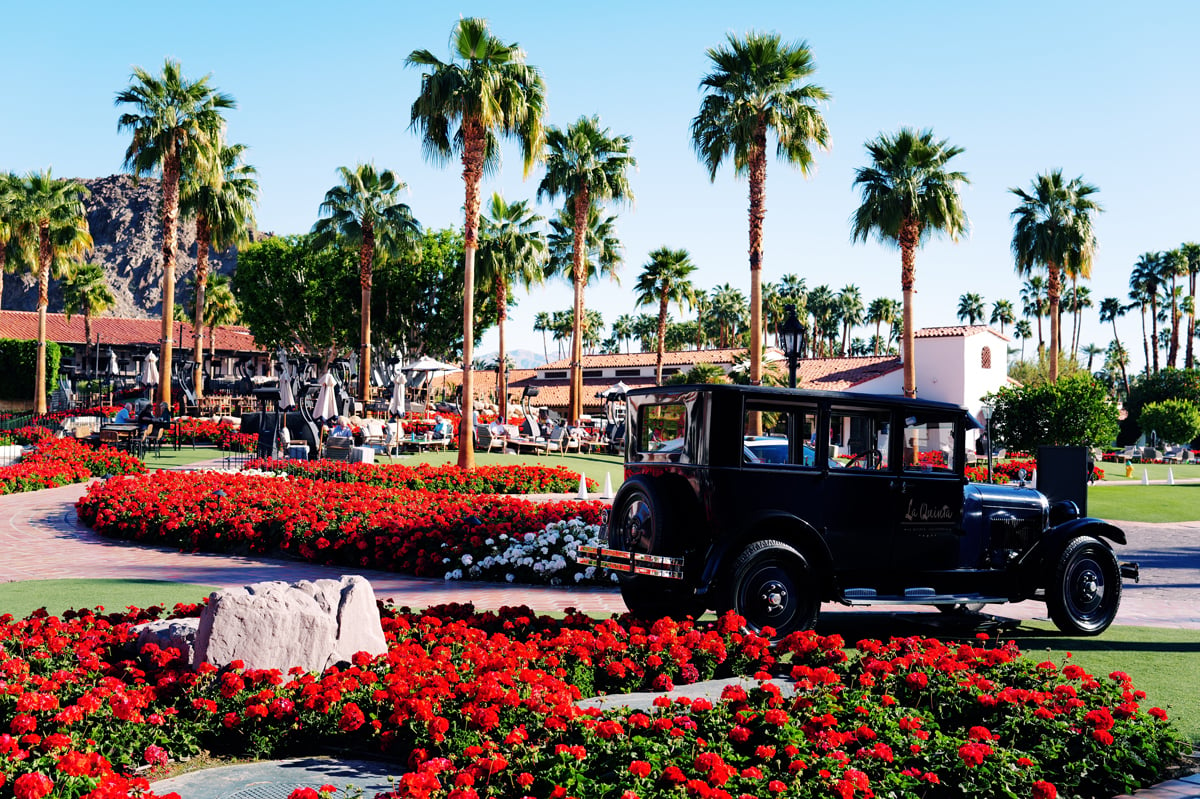
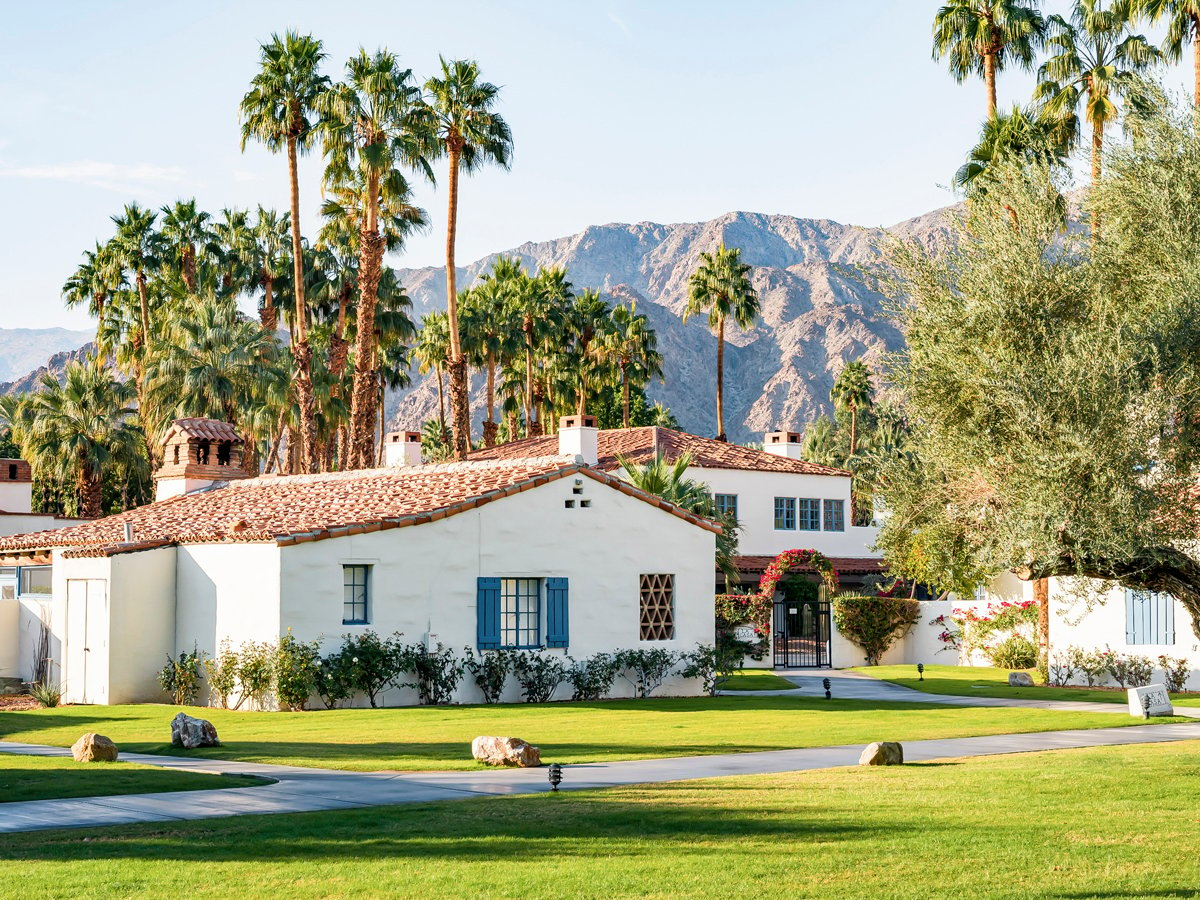
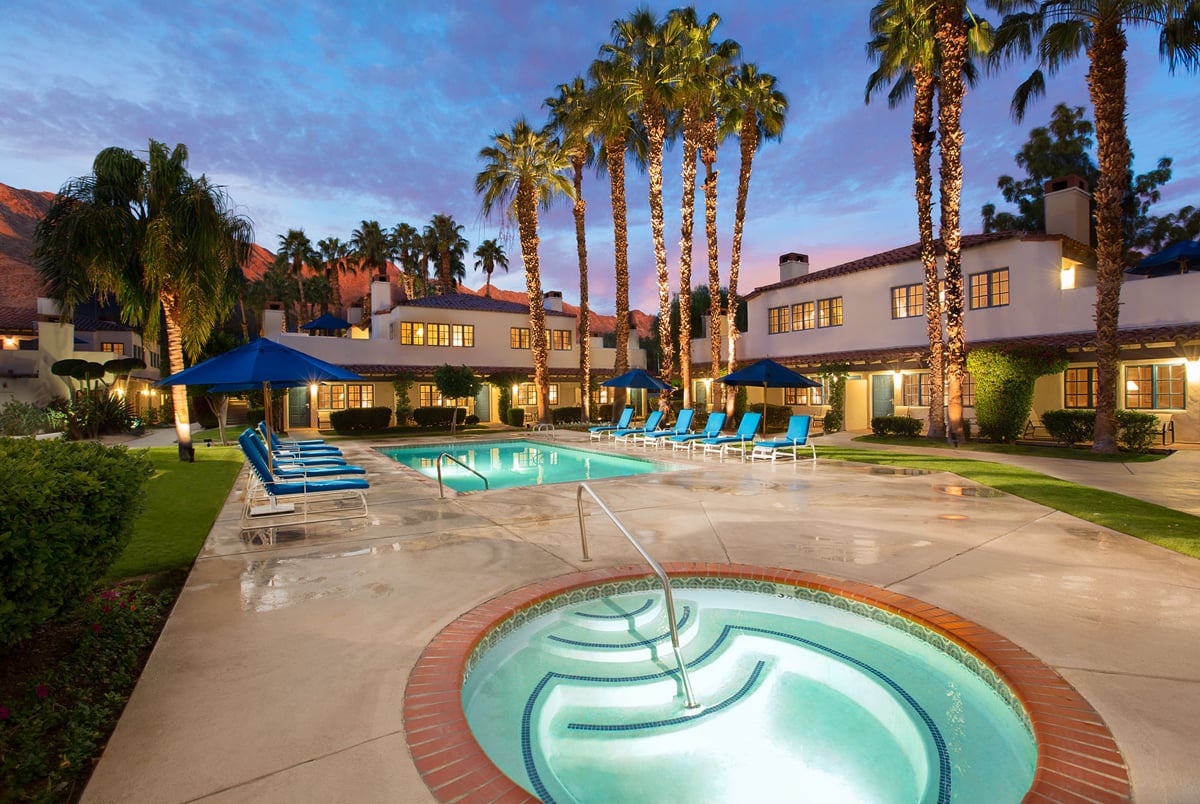
Opened in 1926, La Quinta Resort & Club is the longest-running resort in the Palm Springs area—and one of only two U.S. resorts to inspire the name of its home city. Designed by architect Gordon Bernie Kaufmann, its blend of Spanish Colonial architecture, Hollywood history, and desert luxury helped define American resort culture. Golden Age stars like Greta Garbo, Clark Gable, and Katharine Hepburn found sanctuary in the whitewashed casitas, and James Hilton famously wrote part of Lost Horizon here. That legacy endures, with appearances in modern productions like The Bachelorette keeping La Quinta in the spotlight.
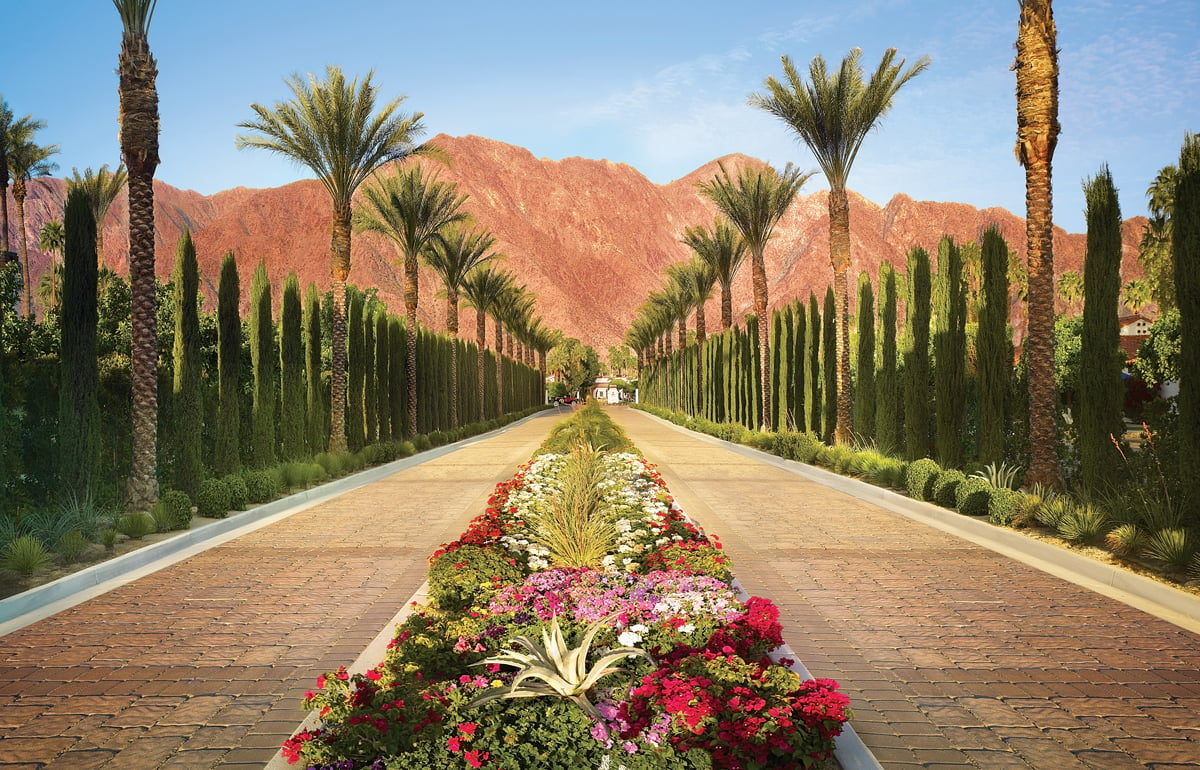
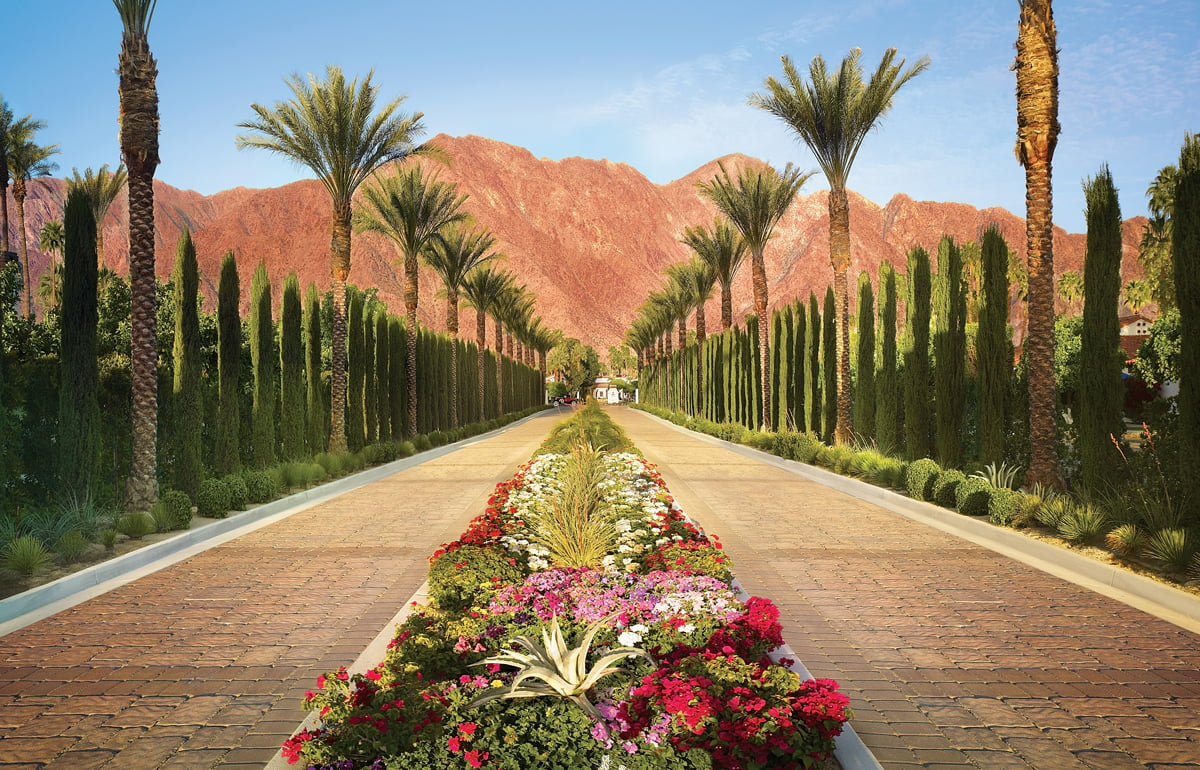
A sweeping renovation completed in 2025 by Leo A Daly honors the past while updating the 45-acre grounds with pools, citrus groves, cypress trees, and dramatic Santa Rosa Mountain views. The refreshed lobby features hand-painted tiles, vintage photographs, and a custom-carved desk inspired by the original doors in The Plaza. The resort includes 620 casitas and suites, plus 98 villas, all updated with modern finishes that complement the historic architecture. Highlights include 42 climate-controlled pools, 53 hot spas, and 23 tennis courts. Plunge at Renker Pool is an adults-only retreat featuring tiled edges, a sleek bar, and climate-controlled cabanas that channel old-Hollywood glam. Dining spans seven venues, including Morgan’s in the Desert, offering contemporary American fare, and a reimagined steakhouse honoring founder Walter H. Morgan. La Quinta also boasts championship golf, including the famed TPC Stadium Course at PGA West and the Jim McLean Golf School. With a 23,000-square-foot spa, lush outdoor venues like The Grove, and nearly 200,000 square feet of meeting space, La Quinta remains a premier destination where luxury, heritage, and California charm come together.
Los Poblanos Historic Inn, Albuquerque, New Mexico
lospoblanos.com | @lospoblanos
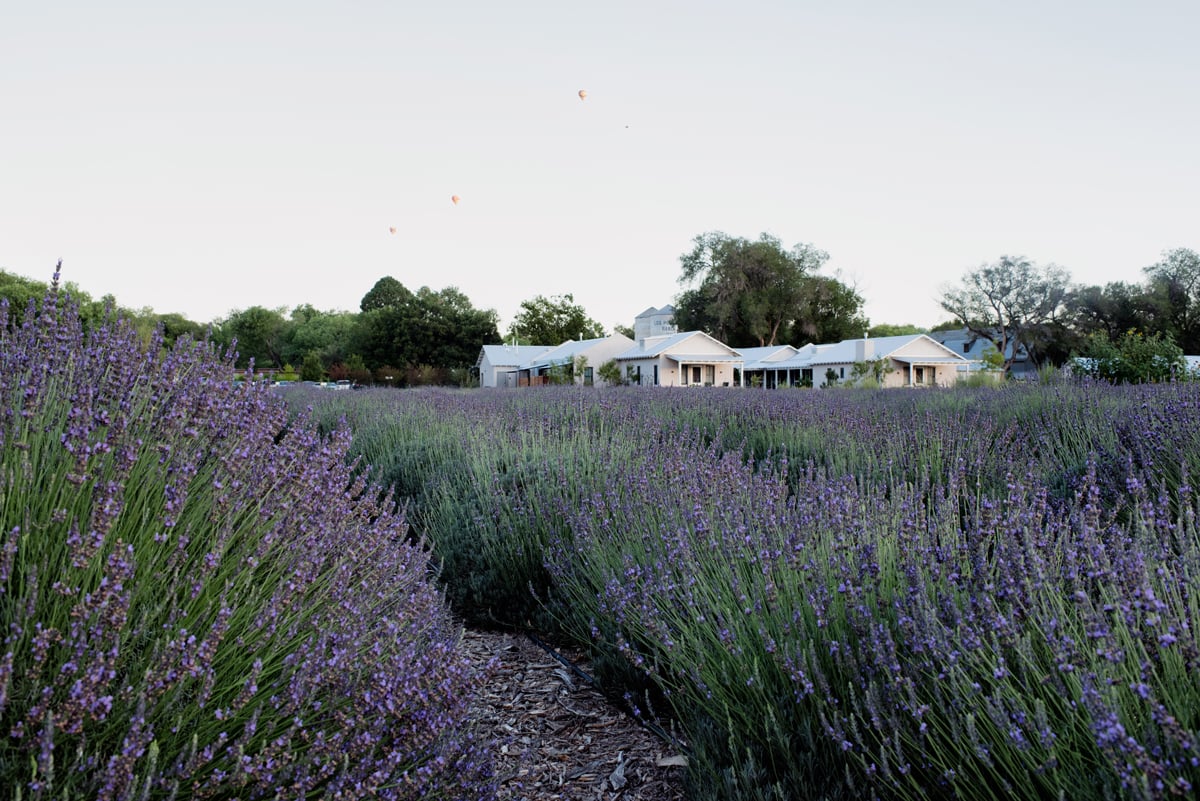
Designed in 1932 by John Gaw Meem—New Mexico’s most celebrated architect—Los Poblanos Historic Inn is one of the Southwest’s most iconic historic properties and a pure expression of New Mexican luxury. Set on 25 acres of lavender fields, cottonwoods, and formal gardens in the Rio Grande Valley, this working organic farm is listed on both state and national historic registers. It offers accommodations rooted in place, blending preservation, sustainability, and authentic design.
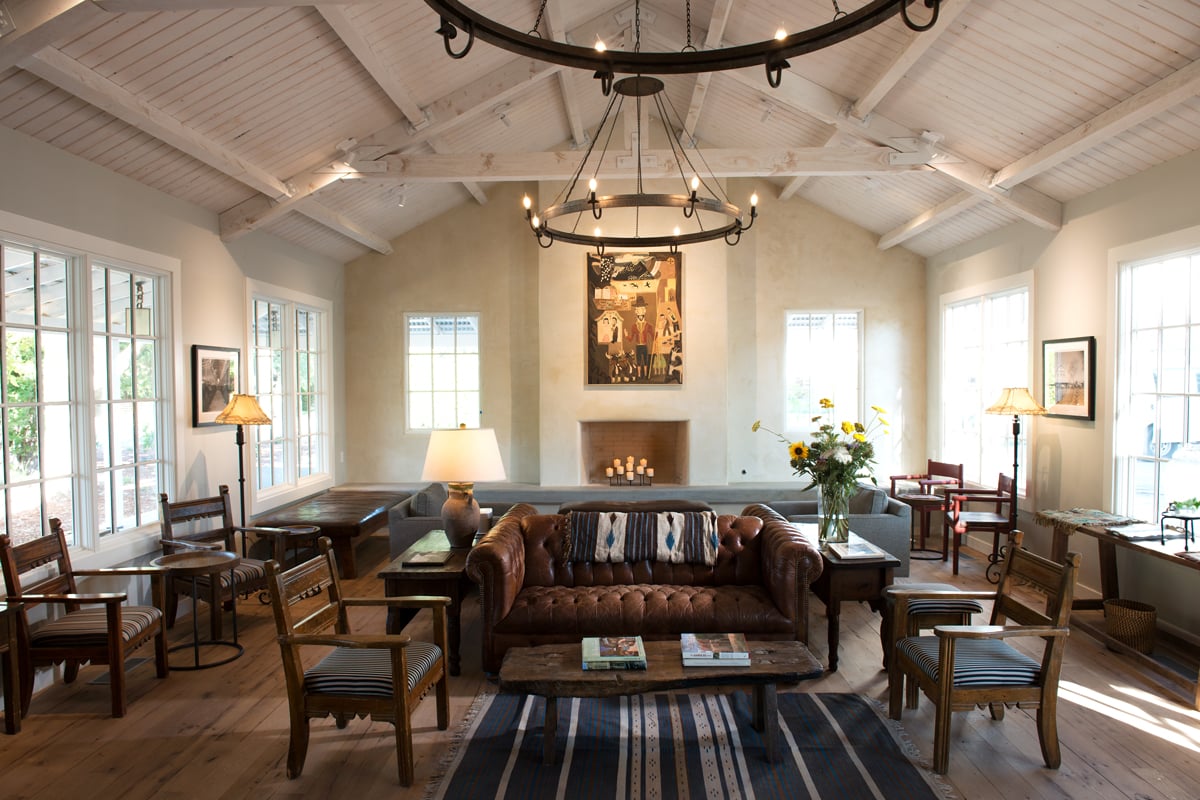
Rooms and suites surround the original hacienda, showcasing Meem’s Territorial Revival style: hand-plastered walls, kiva fireplaces, 1930s tin light fixtures, hand-carved beams, and period New Mexican art. Many local artisans helped build and continue to preserve the property.
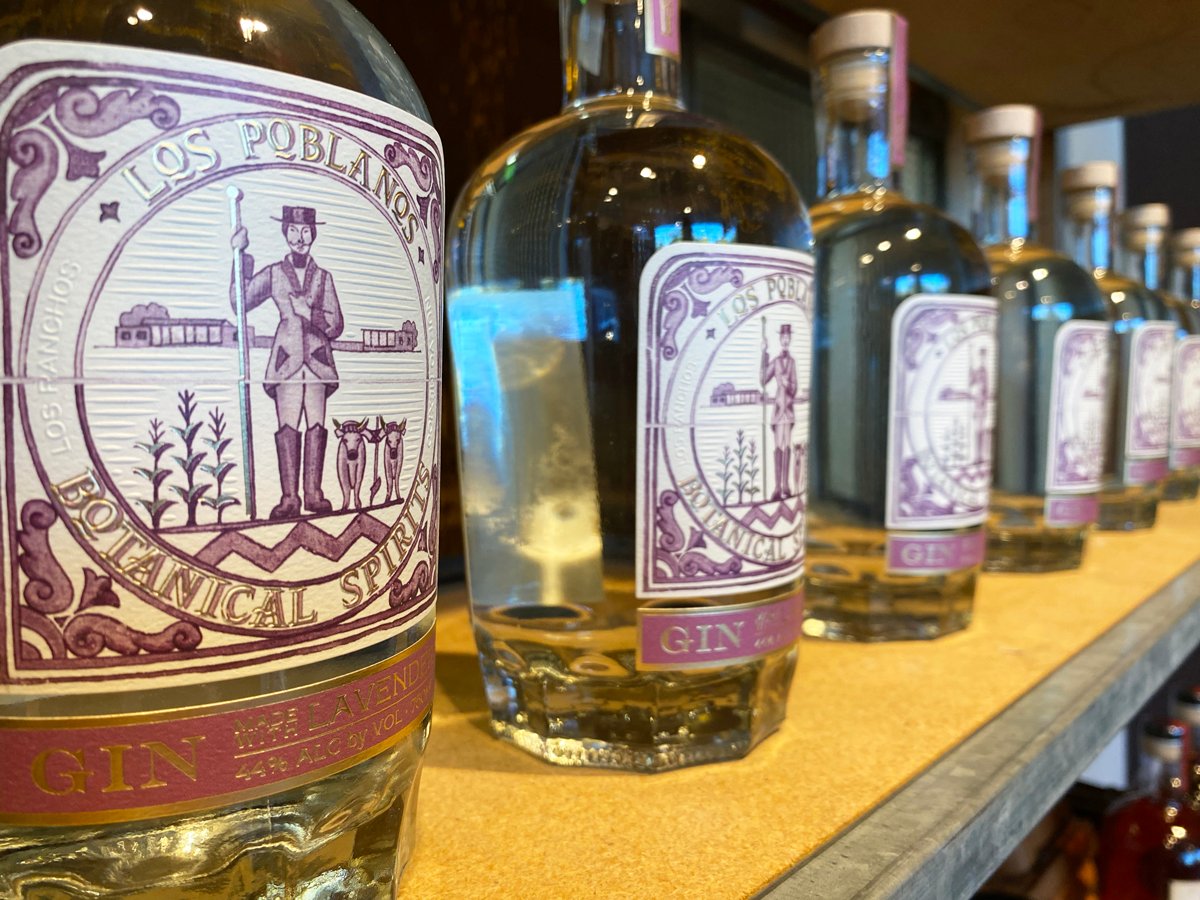
The six-acre gardens, designed by Rose Greely—her only known work in the Southwest—feature Spanish tile fountains, flower beds irrigated by traditional acequia channels, rose gardens, and an allée of cottonwoods that create peaceful outdoor spaces. Lavender is the farm’s signature crop. By mid-July, blooms are harvested and distilled into essential oils used in soaps, lotions, spirits, and Los Poblanos’ own lavender gin—capturing the essence of the high desert. The farm also informs daily menus and a national line of handcrafted goods.
A former dairy turned agritourism icon, Los Poblanos is a model for how historic preservation and sustainable agriculture can create a luxurious, contemporary experience—honoring the past while nurturing the future.
TEXT BY AARON H. BIBLE
— We shared this Resort Guide with you in the Winter 2025 issue of NEST Magazine.